

Dog Braces for Cruciate Ligament Tears
Can Knee Braces Help Dogs With Cruciate Ligament Injuries?
When a dog tears a cruciate ligament, many owners begin searching for alternatives or additional support options beyond surgery alone.
One of the most common questions owners ask is:
“Would a knee brace help my dog?”
Dog braces can sometimes play a helpful role in managing cruciate ligament injuries, particularly when combined with appropriate rehabilitation and strengthening.
However, braces are often misunderstood.
A brace is usually not a “magic fix” that replaces rebuilding strength, improving stability, and addressing long-term joint health.
In many cases, the best results occur when bracing is used alongside:
-
Rehabilitation
-
Controlled exercise
-
Muscle strengthening
-
Weight management
-
Pain management
-
Long-term arthritis support
The goal is helping dogs feel:
-
More stable
-
More comfortable
-
More confident during movement
…while protecting long-term mobility as much as possible.
Just researching options? We’re happy to answer questions and help you understand whether a brace may suit your dog.
What Is a Cruciate Ligament Tear?
The cruciate ligament stabilises the knee joint.
When it becomes damaged or ruptures, the knee may become unstable and painful.
Dogs may experience:
-
Partial cruciate tears
-
Progressive ligament degeneration
-
Complete ligament rupture
-
Meniscal injury
-
Arthritis development
Unlike many human ACL injuries, cruciate disease in dogs often develops gradually over time rather than from a single traumatic event.
This is why some dogs show intermittent limping for months before suddenly becoming significantly lame.

What Does a Dog Knee Brace Actually Do?
A cruciate brace aims to provide external support around the knee joint.
Depending on the design, a brace may help:
-
Improve limb confidence
-
Reduce excessive knee movement
-
Provide compression and support
-
Improve stability during walking
-
Encourage more symmetrical weight-bearing
Some dogs appear noticeably more comfortable wearing a brace.
Others tolerate braces poorly or show little meaningful improvement.
Braces are generally considered a supportive tool rather than a complete treatment on their own.


Which Dogs May Benefit From a Cruciate Brace?
Braces may sometimes be considered for:
-
Older dogs
-
Dogs managed conservatively without surgery
-
Dogs with partial cruciate tears
-
Dogs with bilateral cruciate disease
-
Dogs unsuitable for surgery
-
Dogs needing additional post-operative support
-
Dogs with chronic arthritis and instability
The suitability depends heavily on:
-
Body shape
-
Coat type
-
Limb conformation
-
Severity of instability
-
Arthritis progression
-
Activity level
-
Owner expectations
Not every dog is an ideal candidate for bracing.
Can a Brace Replace Surgery?
This is one of the biggest misconceptions surrounding cruciate braces.
For some dogs, particularly small dogs or those managed conservatively, a brace may form part of a successful non-surgical management plan.
However, braces do not “repair” the damaged ligament itself.
In dogs with significant instability, ongoing meniscal injury, or severe functional impairment, surgery may still provide better long-term outcomes.
Braces are often most useful when viewed as one part of a broader rehabilitation strategy.
Learn more about:
-
Can Older Dogs Have TPLO Surgery?
No pressure or obligation — we’re happy to help you understand whether a brace may realistically help your dog.


Why Rehabilitation Still Matters With a Brace
A brace may provide support, but it does not rebuild muscle strength or restore normal movement patterns on its own.
Without rehabilitation, many dogs continue developing:
-
Muscle loss
-
Weakness
-
Compensation patterns
-
Arthritis progression
-
Reduced balance
-
Reduced endurance
Rehabilitation aims to improve how the entire body functions after injury.
Programs may include:
-
Controlled strengthening exercises
-
Hydrotherapy
-
Balance work
-
Proprioception training
-
Gait retraining
-
Home exercise programs
The goal is helping dogs safely rebuild confidence and function over time.

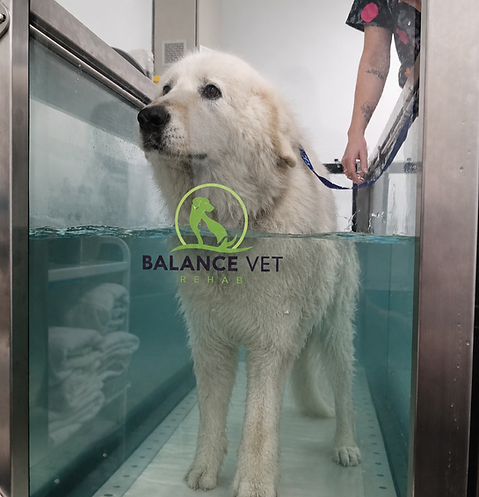
Hydrotherapy & Bracing
Hydrotherapy may work particularly well alongside conservative cruciate management because it allows strengthening with reduced impact loading.
The buoyancy of water supports body weight while encouraging controlled movement and muscle activation.
Potential benefits may include:
-
Improved muscle rebuilding
-
Reduced stiffness
-
Improved endurance
-
Reduced joint loading
-
Increased limb confidence
Hydrotherapy may be especially useful for:
-
Larger dogs
-
Dogs with arthritis
-
Older dogs
-
Dogs with bilateral cruciate disease
-
Dogs with significant weakness

Braces and Arthritis
One important thing owners should understand is that cruciate disease commonly leads to arthritis.
Even with bracing, dogs may still develop:
-
Joint inflammation
-
Cartilage degeneration
-
Stiffness
-
Reduced mobility
-
Chronic discomfort
This is why long-term management often focuses on preserving comfort and function rather than simply supporting the ligament alone.
Many dogs benefit from combining:
-
Bracing
-
Rehabilitation
-
Weight management
-
Pain management
-
Strength rebuilding
-
Controlled exercise
Learn more about:
Potential Limitations of Dog Braces
Braces are not perfect for every dog.
Potential challenges may include:
-
Skin rubbing or irritation
-
Poor brace tolerance
-
Slipping or rotation
-
Difficulty fitting certain body shapes
-
Limited effectiveness with severe instability
-
Heat buildup in warmer climates
-
Reduced compliance during active play
Some dogs adapt extremely well, while others dislike wearing them.
Realistic expectations are important.


Weight Management Is Extremely Important
Excess body weight significantly increases stress on unstable knees.
At the same time, maintaining muscle mass is critical for long-term joint support.
This means treatment plans often focus heavily on:
-
Lean body condition
-
Safe strengthening
-
Controlled exercise
-
Long-term mobility support
Weight management may substantially improve comfort regardless of whether surgery or bracing is chosen.
Learn more about:
Still unsure whether a brace may help your dog? We’re happy to discuss realistic expectations and rehabilitation options.
Why Dogs Often Compensate Onto Other Limbs
Dogs with painful knees frequently overload other areas of the body.
Over time, this may contribute to strain affecting:
-
The opposite cruciate ligament
-
Hips
-
Lower back
-
Front limbs
This is one reason rehabilitation assessments examine whole-body movement patterns — not just the injured knee.
Learn more about:
-
Can a Dog Tear the Other Cruciate Ligament After TPLO?


What Happens During a Rehabilitation Assessment?
A rehabilitation assessment may include:
-
Gait analysis
-
Joint mobility testing
-
Muscle assessment
-
Strength evaluation
-
Pain assessment
-
Functional movement analysis
-
Brace fit and tolerance evaluation
The goal is understanding how the injury is affecting overall movement and comfort.
Treatment plans are then tailored individually based on:
-
Stability
-
Arthritis severity
-
Strength deficits
-
Functional goals
-
Lifestyle
-
Home environment
Supporting Dogs Across Brisbane, Gold Coast & Scenic Rim
We help dogs across Brisbane, Gold Coast, and Scenic Rim experiencing:
-
Cruciate ligament tears
-
Partial cruciate injuries
-
Arthritis secondary to cruciate disease
-
Conservative cruciate management
-
Chronic hindlimb weakness
-
Long-term mobility decline
Every rehabilitation plan is tailored individually to the dog’s condition and goals.


Hear From Families Exploring Cruciate Bracing & Rehabilitation
Many owners initially feel overwhelmed deciding between surgery, conservative management, and supportive devices such as braces.
Often, once dogs regain strength and confidence through rehabilitation, owners notice substantial improvements in comfort and mobility.

Early Support Often Helps Preserve Mobility Longer
The earlier weakness, instability, and compensation are addressed, the more opportunity there often is to:
-
Maintain muscle support
-
Improve movement quality
-
Reduce compensatory strain
-
Improve confidence during movement
-
Support long-term comfort
Many dogs quietly compensate long before weakness becomes obvious.
Helping Dogs Stay Comfortable & Active
Cruciate ligament injuries can feel overwhelming initially.
Whether a dog undergoes surgery, conservative management, or uses supportive bracing, the goal remains the same:
Helping dogs continue enjoying:
-
Walks
-
Family activities
-
Comfortable daily movement
-
Safe exercise
-
Good quality of life
…for as long as possible.

Want to Explore Whether a Brace May Help Your Dog?
Whether your dog has recently been diagnosed with a cruciate tear or you are exploring additional support options during recovery, we’re happy to help you understand what rehabilitation and mobility support options may suit your dog most.
No obligation — we’re always happy to answer questions and help owners explore their options.