

Conservative Management for Cruciate Tears in Dogs
Non-Surgical Rehabilitation & Mobility Support for Dogs With Cruciate Injuries
When a dog tears a cruciate ligament, many owners immediately assume surgery is the only option.
For some dogs, surgery is absolutely the best path.
However, not every dog undergoes surgical stabilisation.
Some owners are exploring:
-
Non-surgical options
-
Financial considerations
-
Age-related concerns
-
Concurrent health conditions
-
Whether their dog may cope conservatively
-
What rehabilitation may realistically achieve
Others have been told their dog may be a candidate for conservative management and want to understand what that actually means.
Conservative management does not simply mean “rest and hope for the best.”
In many cases, successful non-surgical management involves carefully structured rehabilitation focused on:
-
Strength
-
Stability
-
Weight management
-
Pain control
-
Controlled exercise
-
Long-term joint support
The goal is helping dogs stay as comfortable, functional, and mobile as possible.
Just exploring your options? We’re happy to answer questions and help you understand whether conservative management may suit your dog.
What Is Conservative Management for Cruciate Tears?
Conservative management refers to non-surgical treatment of cruciate ligament disease.
This may involve:
-
Rehabilitation
-
Hydrotherapy
-
Strengthening exercises
-
Weight management
-
Pain relief medications
-
Activity modification
-
Home exercise programs
-
Long-term arthritis support
The aim is helping the body compensate for knee instability by improving muscular support and movement control.
Some dogs cope surprisingly well with this approach.
Others continue struggling despite conservative care and ultimately require surgery.
The most appropriate path depends on the individual dog.
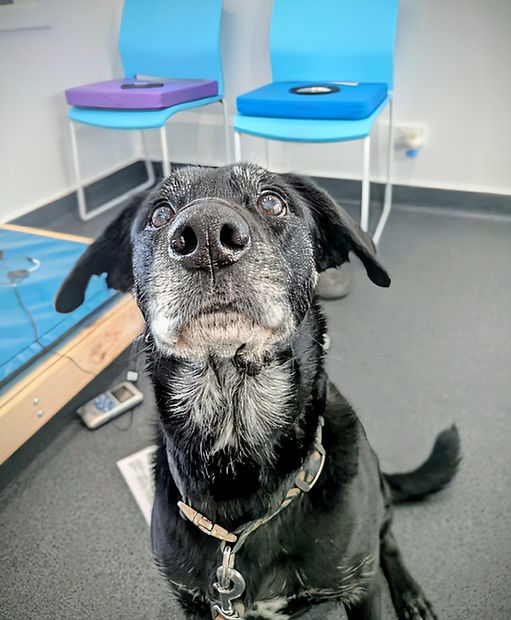
Which Dogs May Be Candidates for Conservative Management?
Every dog is different, but conservative management may sometimes be considered for:
-
Smaller breed dogs
-
Older dogs
-
Dogs with significant concurrent medical conditions
-
Dogs with mild instability
-
Dogs with partial cruciate tears
-
Dogs whose owners are unable to pursue surgery
-
Dogs with advanced arthritis where surgery may not dramatically improve function
The approach also depends heavily on:
-
Activity level
-
Body weight
-
Muscle condition
-
Pain severity
-
Lifestyle expectations
-
Owner commitment to rehabilitation
Importantly, conservative management is not always a “less serious” option.
Successful non-surgical management often requires consistency and structured rehabilitation over time.
Learn more about:
-
Can Older Dogs Have TPLO Surgery?

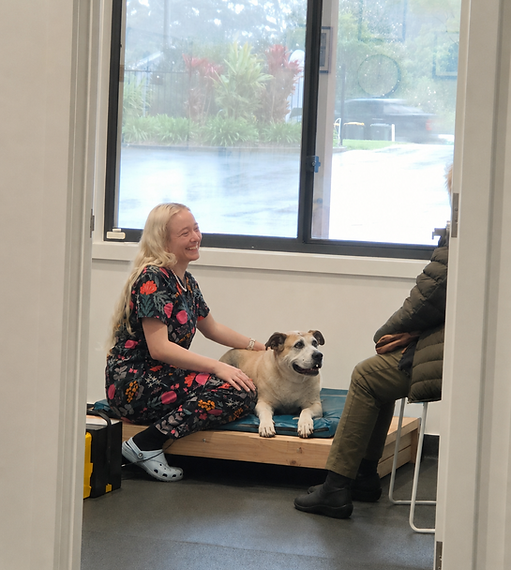
Signs a Dog May Still Need Surgery
Some dogs improve well conservatively.
Others continue showing significant instability and discomfort despite rehabilitation.
Signs surgery may still need consideration include:
-
Persistent severe limping
-
Recurrent flare-ups
-
Ongoing inability to weight-bear comfortably
-
Significant muscle loss
-
Progressive arthritis
-
Poor functional improvement
-
Meniscal injury signs
-
Persistent instability during movement
The goal is always helping the dog achieve the best realistic quality of life and mobility possible.
Sometimes that involves surgery. Sometimes it does not.
Why Rehabilitation Matters So Much
One of the biggest misconceptions about conservative management is that dogs simply need prolonged rest.
In reality, excessive inactivity may worsen:
-
Muscle loss
-
Weakness
-
Joint stiffness
-
Instability
-
Arthritis progression
Rehabilitation aims to safely rebuild the muscular support around the knee and improve overall movement quality.
Programs are tailored individually depending on:
-
The severity of instability
-
Arthritis development
-
Strength deficits
-
Body condition
-
Pain levels
-
Functional goals
Treatment plans may include:
-
Controlled leash walking
-
Sit-to-stand exercises
-
Balance work
-
Proprioception training
-
Hydrotherapy
-
Home exercise programs
-
Gait retraining
Many dogs become noticeably more confident once strength begins improving.
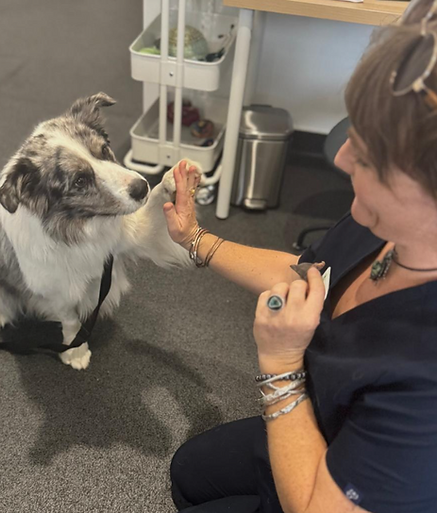
No obligation needed — we’re happy to help you understand what rehabilitation may involve for your dog.

Hydrotherapy for Cruciate Tears
Hydrotherapy is commonly used during conservative cruciate management because water allows strengthening with reduced pressure on painful joints.
The buoyancy of water helps support body weight while encouraging controlled movement and muscle activation.
Potential benefits may include:
-
Improved hindlimb strength
-
Reduced stiffness
-
Improved endurance
-
Improved confidence using the limb
-
Reduced impact loading
Hydrotherapy may be especially helpful for:
-
Older dogs
-
Larger dogs
-
Dogs with arthritis
-
Overweight dogs
-
Dogs with bilateral cruciate disease

Weight Management Is Extremely Important
Body weight plays a major role in cruciate disease management.
Even modest excess weight can significantly increase strain on unstable knees.
At the same time, maintaining muscle mass is critical for joint support.
This means conservative management often focuses heavily on:
-
Lean body condition
-
Safe strengthening
-
Controlled exercise
-
Functional muscle development
Combining rehabilitation with weight management frequently improves long-term comfort significantly.
Learn more about:
Arthritis Commonly Develops With Cruciate Disease
One important thing owners should understand is that arthritis commonly begins developing early in the cruciate disease process.
Even dogs managed conservatively may eventually develop:
-
Joint stiffness
-
Reduced flexibility
-
Muscle loss
-
Chronic discomfort
-
Reduced endurance
This is why long-term management often focuses not only on the ligament itself, but on preserving mobility and comfort overall.
Learn more about:
Conservative Management Does Not Mean “Doing Nothing”
Owners are sometimes told to “just rest the dog” for weeks or months.
While controlled rest is important initially, long-term outcomes often improve when rehabilitation gradually reintroduces safe movement and strengthening.
Appropriate exercise helps maintain:
-
Muscle support
-
Joint mobility
-
Balance
-
Confidence
-
Cardiovascular fitness
The key is ensuring activity is structured and appropriate for the individual dog.
Sudden uncontrolled activity may worsen instability and inflammation.

Why Dogs Often Compensate Onto Other Limbs
When one knee becomes painful, dogs frequently overload other parts of the body.
This may place additional strain on:
-
The opposite cruciate ligament
-
Hips
-
Lower back
-
Front limbs
Over time, compensation patterns may contribute to broader musculoskeletal problems.
This is one reason rehabilitation assessments examine the entire body rather than only the injured knee.
Learn more about:
-
Can a Dog Tear the Other Cruciate Ligament After TPLO?
Still deciding whether conservative management may suit your dog? We’re happy to answer questions and discuss realistic expectations.
What Happens During a Rehabilitation Assessment?
A rehabilitation assessment may include:
-
Gait analysis
-
Joint mobility assessment
-
Muscle evaluation
-
Strength assessment
-
Pain evaluation
-
Balance testing
-
Functional movement analysis
The goal is understanding how the injury is affecting the dog’s overall movement and quality of life.
Treatment plans are then individualised based on:
-
Stability
-
Strength deficits
-
Arthritis severity
-
Comfort levels
-
Lifestyle goals
-
Home environment
Conservative Management and Long-Term Expectations
Some dogs remain comfortable for years with conservative management.
Others eventually require surgery if instability and arthritis progress.
The aim is always helping dogs maintain:
-
Comfort
-
Functional mobility
-
Confidence
-
Quality of life
-
Safe daily movement
Many owners are surprised how much improvement can occur once rehabilitation focuses on rebuilding strength and reducing compensation.
Supporting Dogs Across Brisbane, Gold Coast & Scenic Rim
We help dogs across Brisbane, Gold Coast, and Scenic Rim experiencing:
-
Cruciate ligament injuries
-
Partial cruciate tears
-
Arthritis secondary to cruciate disease
-
Chronic hindlimb weakness
-
Conservative cruciate recovery
-
Long-term mobility decline
Every rehabilitation plan is tailored individually to the dog’s needs and lifestyle.
Hear From Families Exploring Non-Surgical Recovery
Many owners initially worry that avoiding surgery means their dog cannot improve.
Often, with appropriate rehabilitation and realistic expectations, dogs can regain significantly more comfort and confidence than owners expect.

Early Rehabilitation Often Helps Preserve Mobility Longer
The earlier weakness, muscle loss, and compensation are addressed, the more opportunity there often is to:
-
Improve joint support
-
Reduce instability-related strain
-
Preserve muscle mass
-
Improve confidence during movement
-
Support long-term mobility
Many dogs compensate quietly for long periods unless rehabilitation specifically targets these deficits.
Helping Dogs Stay Comfortable Without Surgery
Not every cruciate injury follows the same path.
Some dogs undergo surgery, while others are managed conservatively with rehabilitation and long-term mobility support.
The goal is always helping dogs continue enjoying:
-
Walks
-
Family life
-
Comfortable movement
-
Safe activity
-
Good quality of life
…for as long as possible.

Want to Explore Conservative Management Options for Your Dog?
Whether your dog has recently been diagnosed with a cruciate tear or you are trying to decide between surgical and non-surgical management, we’re happy to help you understand what rehabilitation and mobility support options may help most.
No pressure — we’re happy to answer questions and help owners explore their options.