

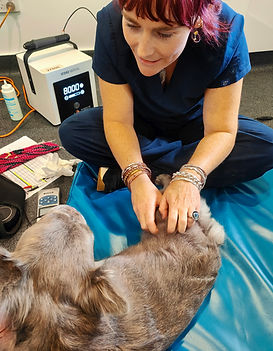
Is It Normal for a Dog to Limp After TPLO Surgery?
Short answer: Yes — but it depends on timing and severity.
Most dogs will:
-
Limp for the first 2–6 weeks
-
Have good days and bad days
-
Show gradual improvement over 8–12 weeks
However, persistent or worsening lameness can indicate a problem.
Normal Recovery Signs
-
Mild limp that improves slowly
-
Stiffness after rest
-
Occasional off-loading when tired
-
Gradual increase in weight-bearing

Warning Signs (Not Normal)
-
Limp getting worse instead of better
-
Sudden non-weight bearing
-
Swelling or heat around the knee
-
Reluctance to walk or exercise
-
Regression after initial improvement
👉 If you’re seeing these, it’s worth getting checked early.

Why Is My Dog Still Limping After TPLO Surgery?
There isn’t just one reason — and this is where many owners get stuck.
Common causes include:
1. Normal Post-Surgical Healing
Bone healing takes 8–12 weeks. Soft tissues take longer.
3. Pain or Inflammation
-
Joint inflammation
-
Meniscal irritation
-
Compensation pain in hips/back
4. Secondary Issues
-
Tight muscles (especially hamstrings, psoas)
-
Reduced joint range of motion
-
Poor limb loading patterns
2. Muscle Weakness
After surgery:
-
Quadriceps and hamstrings weaken rapidly
-
Dogs compensate with other limbs
👉 This is one of the most common reasons for ongoing limping
5. Surgical or Mechanical Complications (less common)
-
Infection
-
Implant issues
-
Meniscal tear
👉 These are less common but important to rule out.
TPLO Recovery Timeline: What You Should Expect

Why Some Dogs Don’t Fully Recover After TPLO
Most dogs are told:
-
“Rest for 6–8 weeks”
-
“Gradually return to exercise”
But what’s often missing:
-
Structured strengthening
-
Controlled loading progression
-
Monitoring of movement quality
👉 Without this, dogs:
-
Stay weak
-
Develop compensation patterns
-
Continue limping long-term
How Rehabilitation Helps Your Dog Stop Limping
At Balance Vet Rehab, we focus on:
-
Restoring strength
-
Improving joint mobility
-
Correcting movement patterns
Key Treatments That Help
-
Targeted physiotherapy
-
Hydrotherapy for low-impact strengthening
-
Pain management techniques
-
Progressive exercise programs
If your dog is still limping, it’s important to look beyond just the surgery itself.
Most cases start with cruciate ligament injuries in dogs, which are one of the most common causes of hindlimb lameness and instability. Dogs with cruciate disease often show limping, reduced weight-bearing, or difficulty rising — and many will eventually require surgery or structured rehabilitation.
If your dog has already had surgery, understanding the full recovery process is key. Our TPLO surgery for dogs page explains what the procedure involves and what you should expect during healing.
However, surgery is only one part of the journey.
We regularly help dogs that are still struggling after surgery — including those who are not walking properly after surgery or showing ongoing weakness, stiffness, or poor limb use. In some cases, dogs may even appear as though their back legs are not working properly, especially when strength and coordination haven’t fully returned.
One of the most effective ways to rebuild strength safely during recovery is through dog hydrotherapy for rehabilitation, which allows controlled, low-impact exercise while reducing stress on healing joints.
👉 This is where targeted rehabilitation makes the difference — helping your dog rebuild strength, restore normal movement, and get back to doing what they love.


Frequently Asked Questions
How long should a dog limp after TPLO?
Most dogs improve significantly by 8–12 weeks, but mild limping can persist without rehab.
Is it normal for limping to come and go?
Yes — fatigue and overuse can cause temporary setbacks.
Can a dog re-tear something after TPLO?
The ligament is stabilised, but other issues (like meniscus injury) can still occur.
Will my dog fully recover without rehab?
Some do — many don’t reach full strength or function without guided rehab.