

Non-Surgical Treatment for Hip Dysplasia in Dogs
Helping Dogs Stay Comfortable, Strong & Active Without Surgery
When owners hear their dog has hip dysplasia, one of the first worries is often:
“Will my dog need surgery?”
The reassuring reality is that many dogs with hip dysplasia can still enjoy excellent quality of life without surgery — especially when appropriate rehabilitation and long-term management strategies are introduced early.
At Balance Vet Rehab, we help dogs across Brisbane, Gold Coast, and Scenic Rim improve comfort, mobility, strength, and confidence through tailored non-surgical rehabilitation programs designed around the individual dog.
For some dogs, conservative management becomes a long-term solution.
For others, it may delay surgery significantly or improve recovery outcomes later if surgery eventually becomes necessary.
Just trying to understand non-surgical options? We’re happy to answer questions and help you explore what may suit your dog.

What Is Conservative Management for Hip Dysplasia?
Conservative management means treating hip dysplasia without surgery.
Rather than replacing or altering the joint surgically, the goal becomes improving:
-
Muscle support
-
Mobility
-
Comfort
-
Function
-
Endurance
-
Quality of life
This usually involves combining several strategies together rather than relying on a single treatment alone.
For many dogs, the most effective programs include:
-
Veterinary rehabilitation
-
Hydrotherapy
-
Exercise modification
-
Weight management
-
Strengthening work
-
Arthritis support
-
Pain management where needed
To understand the condition more broadly, see
Hip Dysplasia in Dogs

Why Non-Surgical Treatment Can Work So Well
Hip dysplasia causes instability within the hip joint.
Strong muscles around the hips help support the joint and reduce stress during movement.
When dogs become painful, they often:
-
Reduce activity
-
Lose muscle mass
-
Become weaker
-
Develop compensatory movement patterns
This can worsen discomfort over time.
Non-surgical treatment focuses heavily on rebuilding muscular support and improving movement quality.
Many dogs become:
-
More comfortable
-
More mobile
-
Stronger
-
Less stiff
-
More active again
Rehabilitation Is Often the Foundation
Veterinary rehabilitation is commonly one of the most important components of conservative management.
Rehabilitation plans are individualised depending on:
-
Age
-
Severity
-
Muscle condition
-
Arthritis progression
-
Activity level
-
Pain levels
-
Owner goals
Treatment may include:
-
Strengthening exercises
-
Balance work
-
Controlled walking progression
-
Core strengthening
-
Weight shifting exercises
-
Mobility work
-
Home exercise programs

Not sure whether rehabilitation is appropriate for your dog? We’re happy to discuss what conservative management may realistically involve.

Hydrotherapy for Hip Dysplasia
Hydrotherapy is often extremely helpful for dogs with hip dysplasia.
Water reduces the amount of load through painful joints while still allowing strengthening exercise.
Benefits may include:
-
Improved muscle development
-
Better endurance
-
Reduced joint stress
-
Improved confidence moving
-
Increased mobility
-
Safer low-impact conditioning
Underwater treadmills are especially useful because:
-
Water depth can be adjusted
-
Exercise intensity can be controlled carefully
-
Sessions can progress gradually
Many dogs that struggle with land exercise tolerate hydrotherapy very comfortably.
You may also find useful:
Best Exercise for Dogs With Hip Dysplasia

Want a clear hip dysplasia guide you can read later?
If you're still gathering information, you may find it helpful to read through our Hip Dysplasia Guide in your own time.
It covers:
• what hip dysplasia is and why it develops
• the common signs to look for
• how hip dysplasia is diagnosed
• treatment options, from conservative management to surgery
• ways to keep your dog comfortable, active and mobile
• what to expect in the short and long term
👉 Download the Hip Dysplasia Guide
Exercise Modification Matters Enormously
One of the biggest misconceptions is that dogs with hip dysplasia should avoid exercise completely.
In reality, complete rest often causes:
-
Muscle loss
-
Reduced joint support
-
Increased stiffness
-
Weight gain
-
Reduced mobility
The goal is usually controlled exercise rather than no exercise.
Helpful activities commonly include:
-
Controlled lead walking
-
Hydrotherapy
-
Structured strengthening
-
Gentle hill walking
-
Core exercises
Activities that may aggravate symptoms include:
-
Repetitive ball throwing
-
Rough twisting play
-
Sudden sprinting
-
Slippery surfaces
-
Excessive jumping
For more detail, read:
Dog Limping After Exercise – Hip Dysplasia


Weight Management Often Makes a Huge Difference
Even small amounts of excess weight can significantly increase stress through the hips.
Keeping dogs lean is one of the most effective conservative management strategies available.
Lean dogs often:
-
Move more comfortably
-
Fatigue less quickly
-
Recover better after exercise
-
Experience less joint strain
Owners are often surprised how much improvement can occur from combining weight reduction with strengthening work.
Arthritis Management Is Often Part of Long-Term Care
Many dogs with hip dysplasia eventually develop arthritis.
Conservative management commonly includes arthritis support through:
-
Rehabilitation
-
Hydrotherapy
-
Weight management
-
Joint supplements
-
Pain management
-
Home modifications
-
Safe exercise planning
Importantly, arthritis does not automatically mean poor quality of life.
Many dogs with arthritis continue enjoying:
-
Walks
-
Swimming
-
Family outings
-
Gentle play
-
Comfortable home life
You may also want to read:


Home Environment Changes Can Help
Small home adjustments can make a meaningful difference for dogs with hip dysplasia.
Helpful modifications may include:
-
Non-slip flooring
-
Ramps instead of stairs
-
Support harnesses
-
Orthopaedic bedding
-
Elevated food bowls
-
Preventing repeated jumping from furniture
These changes often reduce strain and improve confidence moving around the home.
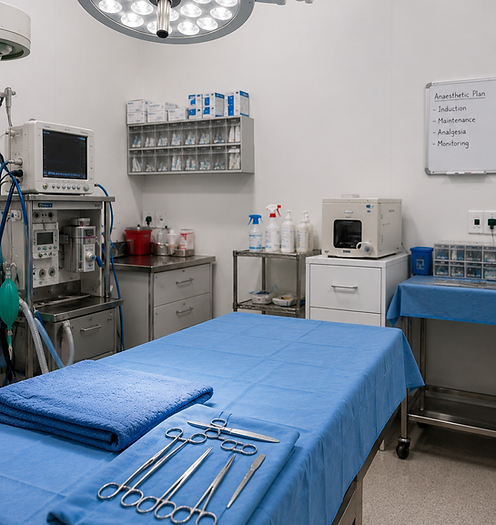
Some Dogs Still Eventually Need Surgery
Conservative management is not successful for every dog.
Some dogs continue experiencing:
-
Significant pain
-
Severe instability
-
Progressive arthritis
-
Marked mobility decline
In these situations, surgery may eventually become appropriate.
However, even when surgery is later performed, rehabilitation beforehand often helps improve:
-
Muscle condition
-
Strength
-
Recovery potential
You may also find helpful:
Does My Dog Need Surgery for Hip Dysplasia?

Young Dogs Often Respond Very Well
Younger dogs with early instability but limited arthritis can sometimes respond especially well to conservative management.
Early rehabilitation may help:
-
Build stronger muscular support
-
Improve movement patterns
-
Reduce overload on unstable joints
-
Improve long-term function
This is why early assessment can be valuable.
Even if your dog is young, early rehabilitation may help improve long-term mobility and strength.
Conservative Management Is Usually About Long-Term Strategy
Hip dysplasia is usually managed rather than “cured.”
The goal becomes helping dogs:
-
Stay comfortable longer
-
Maintain mobility
-
Build strength
-
Reduce flare-ups
-
Slow decline where possible
-
Preserve quality of life
Many dogs continue living happy, active lives for years with good conservative management.
You may also want to read:
Can Dogs Live a Normal Life With Hip Dysplasia


Helping Dogs Across Brisbane, Gold Coast & Scenic Rim
We regularly help dogs with:
-
Early hip dysplasia
-
Arthritis-related mobility decline
-
Post-exercise soreness
-
Muscle weakness
-
Reduced stamina
-
Recovery after flare-ups
-
Long-term conservative management plans
Many owners come to us because they want:
-
Alternatives to surgery
-
Safe exercise guidance
-
Hydrotherapy support
-
Help improving mobility
-
Structured strengthening programs
Many Owners Initially Feel Overwhelmed
It is very common for owners to fear that hip dysplasia automatically means:
-
Surgery
-
Severe disability
-
Permanent suffering
-
Rapid decline
Often, what they later discover is that many dogs can still remain active, happy, and comfortable with structured long-term management.
FAQ: Non-Surgical Hip Dysplasia
Looking for Non-Surgical Options for Your Dog?
Every dog with hip dysplasia is different.
Some need strengthening and conditioning support. Others need arthritis management or hydrotherapy. Some owners simply want guidance about safe exercise and long-term mobility.
Our rehabilitation approach focuses on helping dogs stay as strong, comfortable, and active as possible without unnecessary restriction.

Still Exploring Conservative Management Options?
Whether your dog has just been diagnosed or has been struggling with hip dysplasia for years, we’re happy to help you better understand rehabilitation and non-surgical treatment pathways.
No pressure and no commitment — we’re happy to answer questions and help you understand what may suit your dog best.