

Signs of IVDD in Dogs: What Owners Often Notice First
IVDD can appear suddenly and unexpectedly.
Many owners describe their dog seeming completely normal one day — then suddenly becoming painful, wobbly, weak, or even unable to walk the next.
Recognising the early signs of IVDD (Intervertebral Disc Disease) is important because prompt veterinary assessment can significantly affect outcomes.
At Balance Vet Rehab, we help dogs across Brisbane, Gold Coast, and Scenic Rim recover from IVDD through compassionate veterinary rehabilitation and long-term mobility support tailored to each individual dog.
Just exploring your options? We’re happy to answer questions and help you better understand what may be happening with your dog.
What Is IVDD?
IVDD stands for Intervertebral Disc Disease.
The discs between the spinal bones normally act as cushions and shock absorbers. In dogs with IVDD, these discs can bulge or rupture, placing pressure on the spinal cord.
This pressure may cause:
-
Pain
-
Weakness
-
Wobbliness
-
Paralysis
-
Loss of bladder control
The severity of symptoms depends on:
-
Which part of the spine is affected
-
How much spinal cord compression occurs
-
How quickly the injury develops

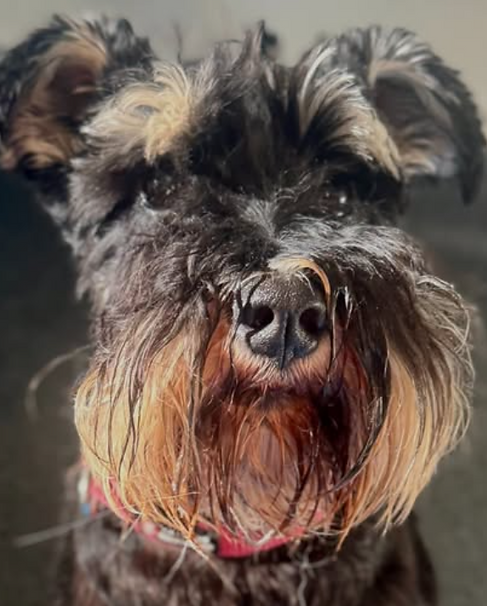
Early Signs of IVDD in Dogs
Some dogs show subtle symptoms initially before more serious neurological problems develop.
Early signs may include:
-
Reluctance to jump
-
Difficulty climbing stairs
-
Stiffness
-
Shivering
-
Neck pain
-
Back pain
-
Crying out suddenly
-
Hunched posture
-
Reduced activity
-
Acting withdrawn
-
Difficulty getting comfortable
-
Tense abdominal muscles
These signs are sometimes mistaken for:
-
Arthritis
-
Muscle strain
-
General ageing
-
Minor injury
However, early IVDD can worsen quickly, particularly in predisposed breeds.
Sudden Crying or Yelping
One of the most common early signs owners notice is sudden pain.
Dogs may suddenly:
-
Yelp when picked up
-
Cry out when jumping
-
Scream unexpectedly
-
Become very reluctant to move
This pain often occurs because inflamed or ruptured discs are compressing spinal nerves.
Some dogs become extremely guarded or tense afterward.

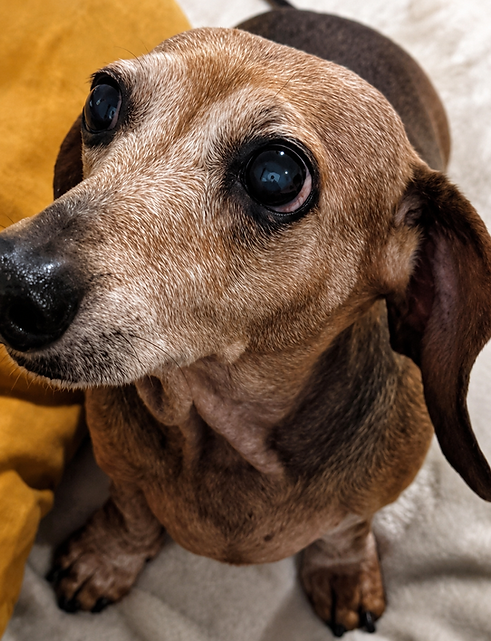
Wobbliness or Weakness in the Back Legs
As spinal cord compression worsens, neurological deficits may develop.
Owners may notice:
-
Wobbliness
-
Crossing back legs
-
Slipping
-
Knuckling paws
-
Paw dragging
-
Difficulty balancing
-
Falling over
Some dogs appear “drunk” or unstable walking.
This neurological wobbliness is one of the hallmark signs of IVDD.
Paralysis in Severe IVDD Cases
In severe cases, dogs may suddenly lose the ability to stand or walk.
Paralysis can occur:
-
Gradually
-
Suddenly
-
After activity
-
Overnight
-
Following mild trauma
Some dogs lose movement completely in the hind limbs.
Others may still move their legs but cannot support weight.
Severe cases require urgent veterinary assessment.


Loss of Bladder or Bowel Control
Some dogs with significant spinal cord injury may lose control of:
-
Urination
-
Defecation
Owners may notice:
-
Urine leakage
-
Difficulty urinating
-
Accidents indoors
-
Retained bladder
-
Faecal incontinence
This can feel extremely confronting initially, but many owners adapt far better than they expect with guidance and support.
Learn more here:
Managing Urinary and Faecal Incontinence in Dogs With IVDD
Signs of Neck IVDD
Not all IVDD affects the lower back.
Dogs with neck disc disease may show:
-
Neck pain
-
Reluctance to lower the head
-
Crying when turning the neck
-
Holding the head low
-
Front leg weakness
-
Muscle spasms
-
Shivering
Some dogs appear very quiet or reluctant to move at all because neck movement becomes painful.


Signs of Mild IVDD
Not every IVDD case is catastrophic.
Some dogs show relatively mild signs such as:
-
Occasional limping
-
Mild stiffness
-
Reduced jumping ability
-
Intermittent wobbliness
-
Subtle weakness
-
Temporary pain episodes
However, even mild cases deserve veterinary assessment because progression can sometimes occur rapidly.
Breeds Commonly Affected by IVDD
IVDD is especially common in breeds with long backs and shorter legs.
Commonly affected breeds include:
-
Dachshunds
-
French Bulldogs
-
Beagles
-
Cocker Spaniels
-
Cavaliers
-
Pekingese
-
Shih Tzus
However, IVDD can occur in many breeds, including large dogs.


When Should You Seek Veterinary Attention?
Urgent veterinary assessment is recommended if your dog develops:
-
Sudden paralysis
-
Severe pain
-
Wobbliness
-
Dragging limbs
-
Loss of bladder control
-
Inability to stand
-
Rapid deterioration
Early intervention can be extremely important.
What Happens After an IVDD Diagnosis?
Treatment depends on the severity of spinal cord compression and neurological deficits.
Some dogs are managed conservatively with:
-
Pain medications
-
Strict crate rest
-
Rehabilitation
-
Controlled exercise progression
Others require surgery.
Learn more here:
Every dog’s situation is different. We’re happy to help you better understand what rehabilitation may involve after an IVDD diagnosis.


Why Dogs Stay Wobbly After IVDD
Many owners become worried when dogs remain weak or wobbly after treatment.
This is extremely common.
Even after pressure on the spinal cord improves, the nervous system may still need considerable time to heal.
Learn more here:
Dog Still Wobbly After IVDD
What Recovery From IVDD Can Look Like
Recovery timelines vary enormously.
Some dogs improve quickly within days or weeks. Others continue improving for months.
Recovery may involve:
-
Crate rest
-
Controlled rehabilitation
-
Hydrotherapy
-
Strength rebuilding
-
Balance training
-
Mobility support
For more detailed expectations, visit:
IVDD Recovery Timeline
.jpg)

Rehabilitation for Dogs With IVDD
Rehabilitation aims to support dogs recovering from spinal injury by helping improve:
-
Strength
-
Coordination
-
Balance
-
Confidence
-
Endurance
-
Functional mobility
Depending on the individual dog, rehabilitation may include:
Hydrotherapy
Underwater treadmills may allow supported movement while reducing weight-bearing stress.
Neurological Exercises
Helping improve paw placement awareness and coordination.
Strengthening Programs
Targeted exercises to rebuild muscle lost during restriction.
Mobility Support
Harnesses, slings, and environmental modifications may improve safety and comfort at home.
Can Dogs Recover From IVDD?
Many dogs recover remarkably well from IVDD.
Some regain near-normal mobility. Others retain mild neurological deficits but continue living happy, active lives.
The outcome depends on many factors including:
-
Severity of spinal cord injury
-
Timing of treatment
-
Presence of deep pain sensation
-
Surgical versus conservative management
-
Rehabilitation support


Related IVDD Resources
You may also find these pages helpful:
You may also be interested in:
Helping IVDD Dogs Across Brisbane, Gold Coast & Scenic Rim
At Balance Vet Rehab, we help dogs recovering from IVDD across Brisbane, Gold Coast, and Scenic Rim.
Some dogs come to us shortly after diagnosis. Others arrive after surgery or when owners need help progressing recovery safely at home.
Every rehabilitation plan is tailored around:
-
Neurological status
-
Mobility goals
-
Comfort levels
-
Recovery stage
-
Home environment
-
Long-term quality of life

Hear From Other Owners Navigating IVDD Recovery
Many owners feel frightened and overwhelmed after an IVDD diagnosis.
Hearing from other families who have been through similar experiences can provide reassurance and hope.
Frequently Asked Questions About IVDD Si
Seeing your dog suddenly painful, weak, or wobbly can feel frightening and emotionally overwhelming.
The good news is that many dogs with IVDD improve significantly with appropriate veterinary care, careful management, and rehabilitation support.
If you would like help understanding your dog’s condition or exploring rehabilitation options, we’re happy to help.
Still gathering information? We’re always happy to answer questions and help you better understand your dog’s options.