Can Physiotherapy Help My Dog Avoid Surgery?
Being told your dog might need surgery can feel overwhelming.
Many owners immediately start wondering:
-
Is surgery definitely necessary?
-
Are there safer or less invasive options?
-
Could rehabilitation help first?
-
What if my dog is older or already struggling?
If you’ve been searching for “dog physiotherapy,” you’re not alone. Many owners are really looking for ways to help their dog move more comfortably, rebuild strength, and improve quality of life without rushing straight into surgery.
In some cases, veterinary rehabilitation may help delay surgery, improve comfort significantly, or support conservative (non-surgical) management. In other situations, surgery may still provide the best long-term outcome — but rehabilitation often remains an important part of recovery either way.
At Balance Vet Rehab, we help dogs across Brisbane, Gold Coast, and Scenic Rim with tailored rehabilitation programs designed to support strength, mobility, comfort, and confidence.
Just researching your options? We’re happy to answer questions with no pressure or commitment.
CAN REHABILITATION REALLY HELP SOME DOGS AVOID SURGERY?
Sometimes — yes.
But it depends on:
-
the condition involved
-
severity of the problem
-
pain levels
-
stability of the joint or spine
-
your dog’s age and lifestyle
-
existing weakness or muscle loss
Rehabilitation may help by:
-
improving muscle support
-
improving mobility
-
reducing compensation patterns
-
improving confidence moving
-
supporting joint stability
-
improving overall comfort
Some dogs respond extremely well to conservative management. Others improve initially but eventually still require surgery.
The goal is not to promise avoiding surgery entirely — it’s helping owners understand realistic options and supporting the best possible quality of life for their dog.


WHAT DO PEOPLE MEAN BY “DOG PHYSIOTHERAPY”?
Many owners use terms like:
-
dog physiotherapy
-
canine physio
-
physical therapy for dogs
when searching online.
What they are usually looking for is rehabilitation support such as:
-
hydrotherapy
-
strengthening exercises
-
mobility support
-
recovery guidance
-
pain management strategies
-
muscle rebuilding
Veterinary rehabilitation is the broader clinical approach that includes these types of therapies.
Learn more about dog physiotherapy vs veterinary rehabilitation.
CONDITIONS WHERE REHABILITATION MAY HELP
Arthritis
Arthritic dogs often become:
-
stiff after rest
-
slower on walks
-
reluctant to jump
-
weaker through the hind limbs
Rehabilitation may help improve:
-
strength
-
joint support
-
endurance
-
confidence moving
Many owners are surprised how much improved muscle support can help overall comfort and mobility.
Learn more about arthritis rehabilitation for dogs.

Cruciate Ligament Injuries
Some dogs with cruciate ligament disease may benefit from conservative rehabilitation management, particularly:
-
smaller dogs
-
older dogs
-
dogs with medical conditions increasing surgical risk
Rehabilitation aims to improve:
-
muscle support
-
mobility
-
weight-bearing
-
confidence
However, some dogs still ultimately require surgery for long-term joint stability.
Learn more about TPLO recovery rehabilitation.
Unsure whether rehabilitation could help your dog first? We’re happy to help you understand the options available.
Hip Dysplasia
Dogs with hip dysplasia often compensate for discomfort long before obvious limping develops.
Rehabilitation may help:
-
improve hindlimb strength
-
support joint function
-
improve endurance
-
reduce overload on surrounding muscles
-
Learn more about hip dysplasia rehabilitation.
Neurological Conditions
Some dogs recovering from spinal injury or neurological disease may improve significantly with rehabilitation support.
These programs often focus on:
-
balance
-
coordination
-
paw placement
-
strength rebuilding
-
gait retraining
Learn more about IVDD rehabilitation and neurological rehabilitation for dogs.


WHEN SURGERY MAY STILL BE THE BEST OPTION
Rehabilitation is not about avoiding surgery at all costs.
Sometimes surgery genuinely offers the best chance of:
-
restoring stability
-
relieving severe compression
-
improving long-term function
-
reducing ongoing joint damage
In many cases, rehabilitation works best:
-
before surgery
-
after surgery
-
or alongside surgical management
The focus should always be on what is most appropriate for the individual dog.
HOW HYDROTHERAPY MAY HELP
Hydrotherapy is commonly used within rehabilitation programs for dogs recovering from injury, weakness, arthritis, or surgery.
Underwater treadmill therapy may help:
-
reduce stress on joints
-
improve controlled movement
-
build muscle safely
-
improve confidence
For many dogs, hydrotherapy works best when combined with broader rehabilitation and strengthening work.
Learn more about hydrotherapy for dogs and underwater treadmill rehabilitation.
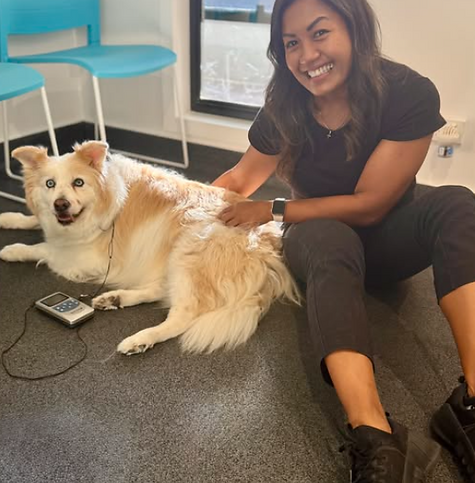

WHAT HAPPENS DURING A REHABILITATION ASSESSMENT?
Initial rehabilitation consultations at Balance Vet Rehab are typically 1–1.5 hours long.
This allows time for:
-
discussing your dog’s history and symptoms
-
reviewing previous imaging or surgical recommendations
-
movement and gait assessment
-
strength and mobility testing
-
rehabilitation treatment on the day
-
development of a tailored rehabilitation plan
-
home exercise guidance
The aim is to understand:
-
how your dog is compensating
-
where weakness is developing
-
whether conservative rehabilitation may help
-
what realistic recovery goals may look like
SUPPORTING DOGS ACROSS BRISBANE, GOLD COAST & SCENIC RIM
Balance Vet Rehab supports dogs from across:
-
Brisbane
-
Gold Coast
-
Scenic Rim
-
Tamborine Mountain and surrounding areas
Many owners seek rehabilitation support because they:
-
want to explore conservative management first
-
want to improve recovery outcomes
-
are helping older dogs stay mobile
-
want clearer guidance on surgery decisions
SOCIAL PROOF & REASSURANCE
For many owners, the hardest part is simply knowing what the “right” decision is for their dog.
Rehabilitation aims to improve comfort, movement, strength, and confidence while helping owners better understand their options.
Looking for Guidance Before Deciding on Surgery?
Every dog is different.
Some dogs improve significantly with rehabilitation and conservative management. Others achieve the best outcomes when surgery and rehabilitation work together.
At Balance Vet Rehab, the focus is always on helping dogs move more comfortably and supporting owners through informed, realistic decision-making.